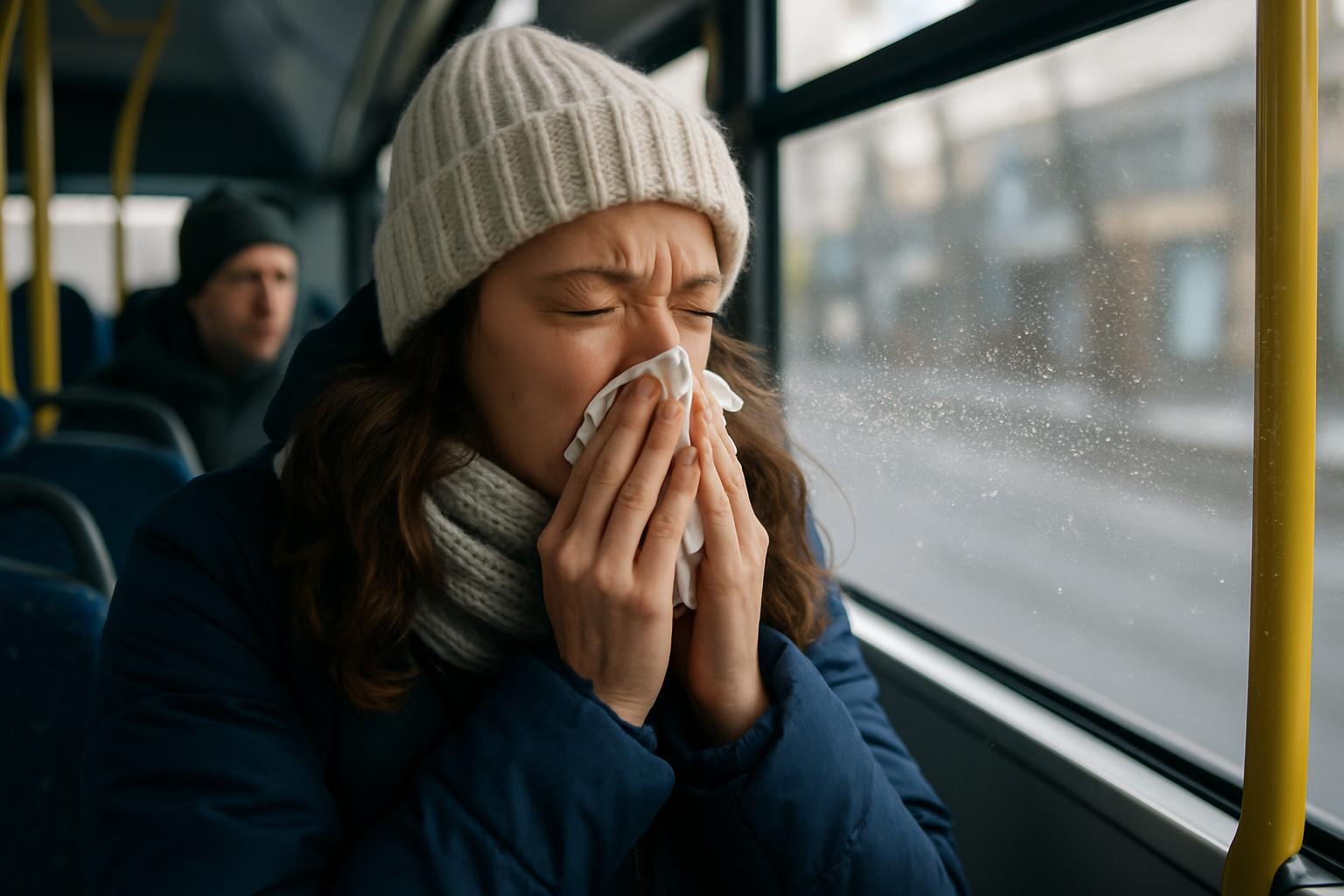
Winter in Newham frequently brings colder temperatures and a noticeable rise in the number of common cold cases.
Gaining a deeper understanding of the science behind cold viruses, the ways in which they spread from person to person, and practical steps you can take to protect yourself and your loved ones can play a crucial role in maintaining good health and well-being throughout the entire colder season.
The Science of Cold Viruses and Host Interaction
The common cold is caused primarily by rhinoviruses, which are viruses that thrive and multiply most effectively in the cool, dry environmental conditions typical of Newham winters.
These viruses spread easily when an infected person coughs, sneezes, or even touches various surfaces, releasing microscopic viral particles into the surrounding environment. These viral particles can then be inhaled or transferred to another person, facilitating the transmission of the infection.
These tiny particles enter the human body primarily through the nose, mouth, or eyes, where they come into contact with and infect the delicate mucous membranes. Once inside, the virus takes control of the host’s cells, using them as factories to replicate itself rapidly.
This process leads to the onset of various symptoms, including a runny nose, sore throat, persistent cough, and overall feelings of fatigue and weakness.
Contagiousness and Spread
Colds are extremely contagious, particularly in densely populated and crowded environments such as schools, public transportation systems, and workplaces frequently found throughout Newham.
The cold virus can easily spread through direct physical contact with infected individuals or by touching surfaces and objects that have been contaminated with the virus, then subsequently touching the eyes, nose, or mouth. The incubation period for the virus typically ranges from 1 to 3 days, during which time infected individuals may begin to spread the virus even before any noticeable symptoms develop.
Moreover, people can continue to be contagious and transmit the virus to others for up to two weeks after symptoms first appear, making it crucial to practice good hygiene and take preventive measures.
Practical Measures for Newham Residents
To minimise your risk of catching or spreading a cold, consider these practical steps:
- Wash your hands frequently with soap and water for at least 20 seconds.
- Use hand sanitiser when soap and water are unavailable.
- Avoid close contact with people showing cold symptoms.
- Cover your mouth and nose with a tissue or your elbow when coughing or sneezing, then dispose of the tissue immediately.
- Regularly clean and disinfect frequently touched surfaces, such as door handles and mobile phones.
- Maintain a healthy diet, stay hydrated, and get enough sleep to support your immune system.
- Dress warmly and avoid prolonged exposure to cold weather.
- If you have been invited by the NHS for your flu jab, getting vaccinated can provide important protection.
Proven Home Remedies
While there is no cure for the common cold, several home remedies can alleviate symptoms:
- Rest: Allows your body to fight the virus more effectively.
- Warm fluids: Drinking hot teas, broths, or water helps soothe a sore throat and keeps you hydrated.
- Honey: A spoonful of honey can relieve cough and throat irritation (not suitable for children under 1 year).
- Steam inhalation: Breathing in steam from a bowl of hot water can ease nasal congestion.
- Saline nasal sprays: Help clear nasal passages and improve breathing.
When to Contact Healthcare Providers
Most colds resolve without medical treatment; however, Newham residents should seek healthcare if:
- Symptoms worsen or last longer than 10 days.
- High fever persists or is accompanied by severe headache or facial pain.
- Difficulty breathing, chest pain, or wheezing occurs.
- Symptoms in young children or elderly people become severe.
- There are underlying health conditions that could complicate infection.
Where to Find More Information
Newham residents can access reliable information and advice from:
- NHS website: www.nhs.uk – for symptoms, self-care advice, and when to seek help.
- GOV.UK: www.gov.uk – for public health guidelines and updates.
- Newham Council website: www.newham.gov.uk – for local health services and support.
- NHS 111 service: Call 111 or visit 111.nhs.uk for non-emergency medical advice.
- For emergencies, dial 999 immediately.
By gaining a deeper understanding of the science behind common colds and implementing a few straightforward precautionary measures, residents of Newham can significantly lower their chances of falling ill and effectively maintain their overall health and well-being throughout the entire winter season.
Winter Cold Facts for Newham Residents