
As the cold winter season steadily settles over Newham, a growing number of residents find themselves turning to natural remedies to enhance their overall health and well-being during these chilly months.
Among the many options available, herbal tea stands out prominently as a comforting and nourishing warm beverage that has been treasured and enjoyed across various cultures around the world for many centuries.
In this blog post, we will delve into the fascinating history of herbal tea, examine the different cultural variations that make it unique, and highlight the wide range of health benefits it provides to the diverse and vibrant communities living in Newham.
The History and Origin of Herbal Tea
Herbal tea, often referred to as tisane, boasts a rich and intriguing history that spans thousands of years across various cultures. Unlike conventional tea, which is brewed from the leaves of the Camellia sinensis plant, herbal teas are crafted by steeping a diverse array of herbs, flowers, roots, and spices in hot water.
Throughout ancient times, civilizations including the Chinese, Egyptians, and Native Americans utilized these herbal infusions not only for their healing and medicinal properties but also as integral elements in spiritual ceremonies and as sources of daily nourishment and hydration. These traditions highlight the enduring importance and versatility of herbal teas across human history.
The practice of drinking herbal tea gradually spread along ancient trade routes, evolving over centuries into a widespread global phenomenon. Each culture it touched adapted the tradition to create its own unique blends, flavors, and medicinal uses, reflecting local herbs and customs.
Today, herbal tea continues to hold great importance, remaining an integral part of traditional medicine and daily life for numerous communities around the world, cherished for its health benefits as well as its comforting rituals.
Cultural Variations and Uses of Herbal Tea
Newham’s rich and vibrant multicultural tapestry is beautifully reflected in the wide variety of herbal tea traditions that are lovingly practiced and cherished by its diverse residents from many different cultural backgrounds:
- Chinese Herbal Tea: Traditional Chinese Medicine (TCM) utilizes herbal teas like chrysanthemum, ginger, and ginseng to balance the body’s energy, strengthen immunity, and alleviate cold symptoms during winter.
- South Asian Infusions: Communities from India, Pakistan, and Bangladesh often enjoy teas infused with turmeric, cardamom, cinnamon, and tulsi (holy basil). These herbs are prized for their anti-inflammatory and immune-boosting properties.
- Middle Eastern Blends: Mint tea, often combined with sage or thyme, is a staple in Middle Eastern households. This tea aids digestion and provides a soothing warmth during the colder months.
- Caribbean Herbal Teas: Hibiscus tea, known for its vibrant color and tart flavor, is a popular choice. It’s rich in antioxidants and supports cardiovascular health.
- European Herbal Traditions: Chamomile, lavender, and nettle teas are common in European herbal practices, promoting relaxation, digestive health, and detoxification.
Health Benefits of Herbal Tea for Newham Residents
Herbal tea provides a wide range of health benefits, making it an exceptionally suitable and comforting beverage choice for the cold winter months, especially for residents living in Newham. It not only helps to keep you warm but also supports overall well-being in various important ways.
- Immune Support: Herbs like echinacea, ginger, and elderberry help bolster the immune system, reducing the risk of common colds and flu.
- Digestive Health: Peppermint, fennel, and chamomile teas soothe the digestive tract, easing discomfort from indigestion or bloating.
- Stress Relief and Sleep Aid: Lavender and valerian root teas promote relaxation and improve sleep quality, essential during the darker, colder months.
- Anti-inflammatory Effects: Turmeric and ginger contain compounds that reduce inflammation, helping to alleviate joint pain and other chronic conditions.
- Hydration and Warmth: Drinking herbal tea keeps the body hydrated while providing comforting warmth, crucial for maintaining overall health in winter.
Embracing Herbal Tea as a Winter Tradition in Newham
For residents of Newham, embracing the tradition of herbal tea is much more than simply making a health-conscious choice; it represents a meaningful way to connect deeply with cultural roots and actively promote a sense of wellbeing within the community.
Whether it’s savoring a warm, spicy cup of masala chai that is lovingly shared among South Asian families during gatherings or enjoying a calming, soothing chamomile brew in a peaceful, quiet moment of reflection, herbal tea offers both comfort and a wide range of health benefits.
These benefits and the practice of drinking herbal tea extend far beyond cultural boundaries, creating a shared experience that unites people from diverse backgrounds.
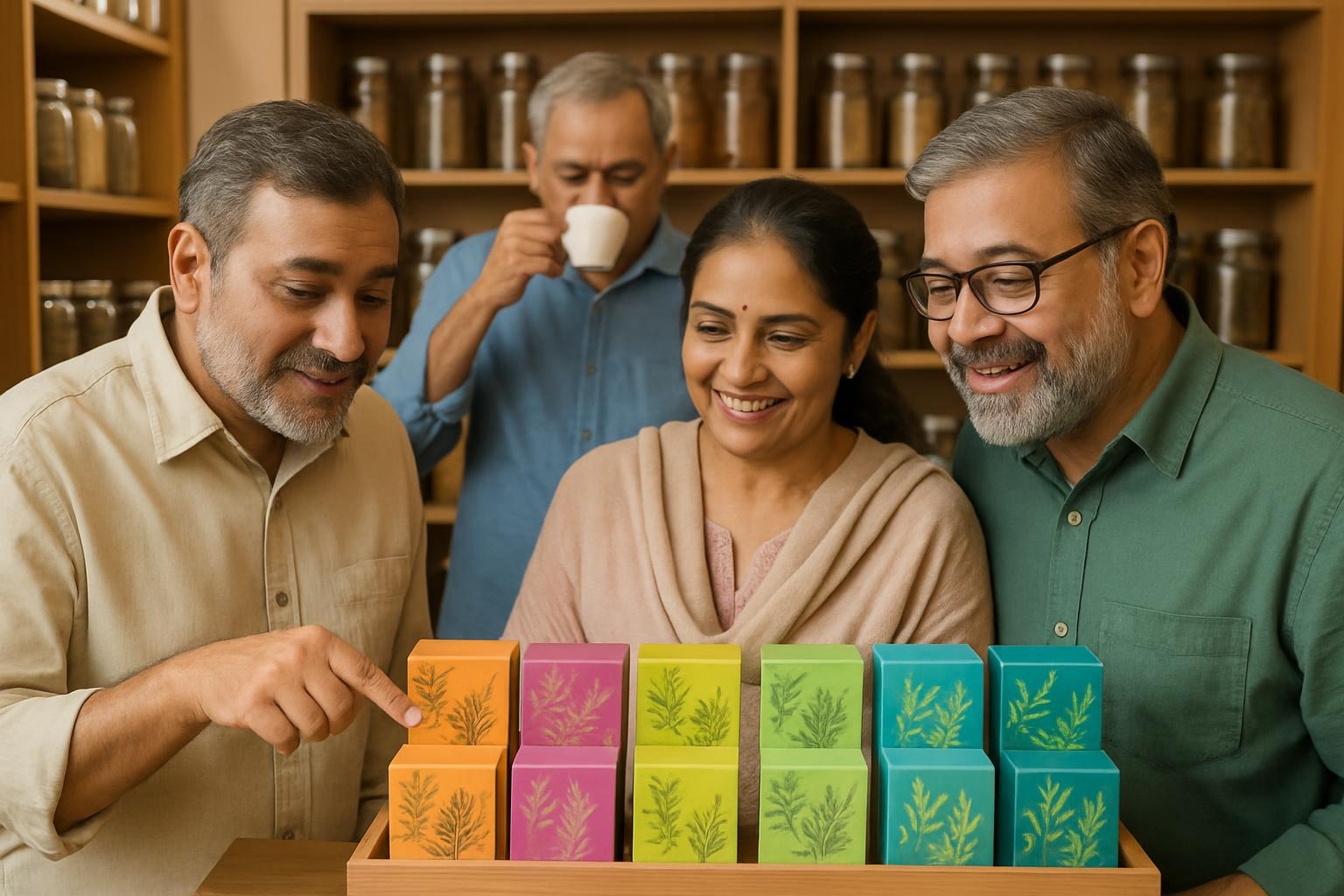
Local markets and herbal shops throughout Newham provide an extensive and diverse selection of herbs and unique blends, inviting residents to discover and experiment with creating their own personalized and flavorful herbal teas.
Additionally, community workshops and vibrant cultural festivals regularly celebrate this age-old tradition, emphasizing its important role in fostering health, wellness, and a sense of unity among people from different backgrounds.

Final thoughts
Herbal tea is a cherished and time-honored natural remedy that holds a special place in the hearts of Newham’s diverse and vibrant community. With its extensive variety of blends and numerous health benefits, herbal tea serves as an ideal winter companion—a comforting, warm, and healing beverage that nourishes not only the body but also the spirit.
As the winter months progress and the chill lingers, why not take the opportunity to explore the fascinating world of herbal teas and uncover the perfect blend that will help keep you feeling healthy, relaxed, and cozy throughout this cold season?
Popular Natural Remedy: Herbal Tea and Its Benefits for Newham Residents